
Compare Local Contractors for Tree Crown Shaping Services
Compare local contractors for tree crown shaping to define project scope, verify experience, and establish clear expectations for a successful outcome.
Tree crown shaping is a specialized service that involves trimming, pruning, and sculpting the upper portions of trees to improve their form, health, and safety. This work typically includes removing dead or diseased branches, thinning dense foliage to allow better light penetration, and shaping the canopy to promote balanced growth. Proper crown shaping can enhance the aesthetic appeal of a property while also reducing potential hazards caused by overgrown or unstable limbs. When selecting contractors for this work, it’s important to understand the scope of services they offer and ensure they have experience with the specific techniques required for your trees.
Defining the scope of tree crown shaping projects is essential to set clear expectations and avoid misunderstandings. Property owners should communicate specific goals-such as maintaining tree health, improving appearance, or addressing safety concerns-and confirm that contractors understand these objectives. Writing a detailed scope of work helps ensure that both parties are aligned on the tasks involved, the extent of pruning, and any special considerations for the trees or property. Clarifying these details upfront can lead to a smoother process and better results, as well as a record to reference if questions or issues arise later.
Comparing local contractors for crown shaping involves evaluating their experience, reputation, and the services they provide. Property owners can review credentials such as years in business, types of trees worked on, and the techniques they specialize in. It’s also helpful to ask for references or examples of past projects to gauge the quality of work. When comparing contractors, consider how they communicate their scope of work, whether they provide detailed written proposals, and how they address questions about their approach. This process helps ensure that the chosen service provider is well-equipped to meet the specific needs of the property and the trees involved.
Compare local contractors’ experience, clarify project scope, and establish written expectations to ensure a successful tree crown shaping job.
- Compare Local Contractors - review multiple service providers to find the best match for your tree crown shaping needs.
- Define Project Scope - clearly outline the desired crown shape and work details to ensure mutual understanding.
- Verify Experience - check the background and expertise of local contractors to ensure quality workmanship.
- Document Expectations - establish written agreements that specify the scope, process, and responsibilities of the project.
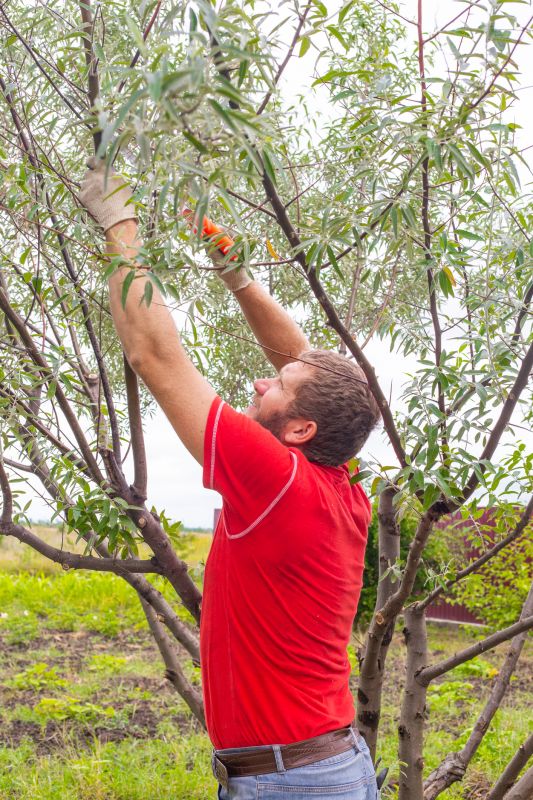
Clearly describe your tree crown shaping project to help compare local contractors, define scope, verify experience, and set expectations in writing.
- Verify the contractor’s experience with tree crown shaping to ensure they have relevant skills for the job. - Look for service providers who clearly define the scope of work and shaping techniques in their estimates or proposals.
- Compare multiple local contractors to assess their approaches and ensure consistency in shaping methods. - Review their portfolios or references to evaluate previous crown shaping projects.
- Ensure the scope of work includes specific details about crown height, shape, and pruning standards. - Clarify expectations in writing to prevent misunderstandings during the project.
- Check that the contractor follows proper pruning practices to maintain tree health and structure. - Confirm they understand the importance of balanced crown shaping without over-pruning.
- Discuss the desired aesthetic or structural goals with the contractor to align on the shaping outcome. - Make sure these goals are documented clearly in the work agreement.
- Confirm that the contractor provides a detailed written plan outlining the shaping process and techniques to be used. - This helps ensure transparency and sets clear expectations for the project.
Compare local contractors' experience and clarify scope to ensure your tree crown shaping project meets expectations.
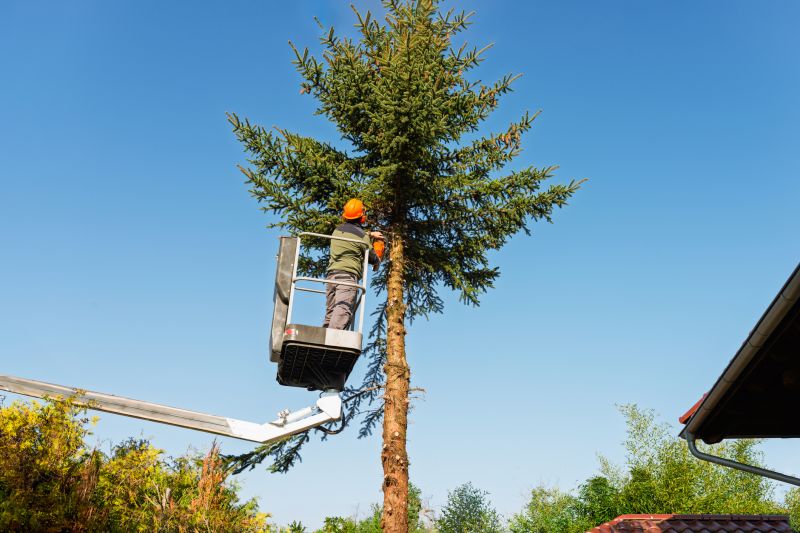

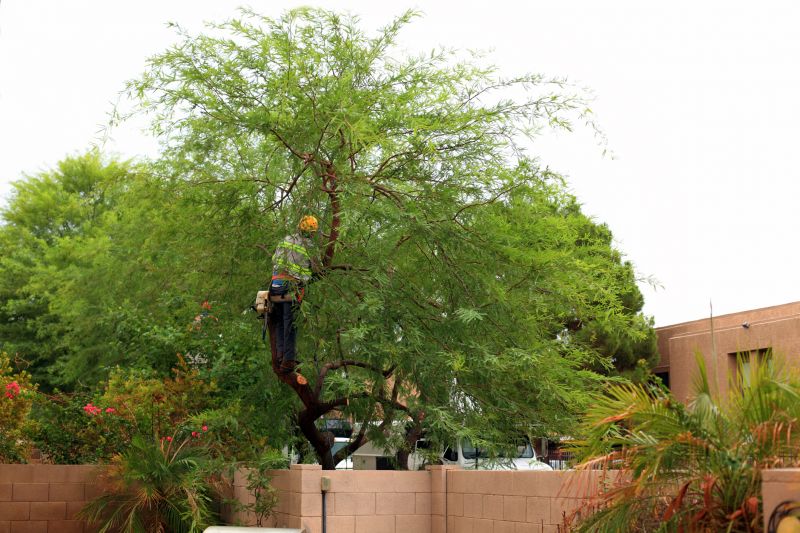
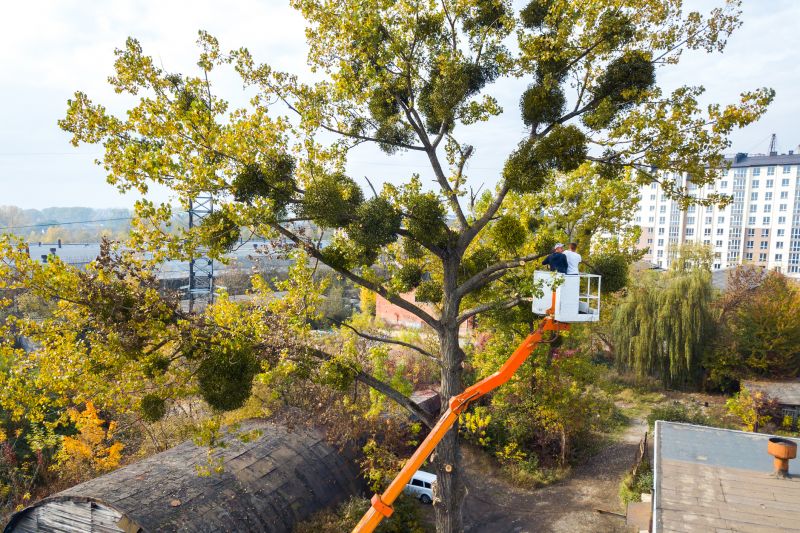
Learn how to compare local contractors for Tree Crown Shaping by defining scope, verifying experience, and maintaining consistent expectations.
- Define desired crown shape - specify the overall form or style intended for the tree's crown.
- Identify target pruning areas - determine which branches or sections need trimming to achieve the desired shape.
- Assess tree species and growth habits - consider the specific characteristics and growth patterns of the tree type.
- Establish scope of work in writing - document the pruning objectives, techniques, and extent of crown shaping to share with service providers.
- Verify experience with crown shaping projects - review the background and prior work of local contractors to ensure suitability for the job.
When comparing contractors for Tree Crown Shaping, it is important to evaluate their experience with similar projects. Homeowners should seek service providers who have a proven track record of successfully shaping trees comparable in size, species, and location. Asking about past work or requesting references can help determine if a contractor has the necessary expertise to handle the specific requirements of the job. Contractors with relevant experience are more likely to understand the nuances involved in shaping different types of trees, ensuring the desired outcome is achieved safely and effectively.
A clear, written scope of work is essential when evaluating potential service providers. Homeowners should look for contractors who provide detailed descriptions of the tasks to be performed, including the extent of crown shaping, the tools and techniques to be used, and any preparatory or follow-up steps. Having this information documented helps prevent misunderstandings and sets clear expectations for the project. It is advisable to review the scope carefully and ask for clarification or adjustments before any work begins, ensuring that both parties agree on what will be accomplished.
Verification of a contractor’s qualifications should include confirming their ability to perform the necessary work safely and effectively. While licensing and certification are not explicitly required, homeowners can verify general requirements such as insurance coverage or adherence to industry standards. Requesting a list of previous projects or references can provide insight into the contractor’s reliability and quality of work. It is also helpful to verify that the contractor has the appropriate equipment and knowledge to handle the specific challenges posed by crown shaping, especially on mature or delicate trees.
When evaluating options for Tree Crown Shaping, homeowners should consider how well each service provider’s approach aligns with their project goals. Comparing the scope of work, experience, and verification details can help identify the most suitable contractor for the task. It is beneficial to ask each candidate how they plan to approach the project, including methods for minimizing stress on the tree and ensuring a natural appearance. By focusing on these aspects, homeowners can make informed decisions that lead to successful outcomes, based on clear communication and demonstrated expertise.
Request written descriptions of the scope and expectations to ensure clarity and consistency among service providers.
- Experience and Expertise - How do contractors demonstrate their experience with tree crown shaping projects?
- Scope of Work - What specific services and techniques do local contractors include in their scope for crown shaping?
- Project Approach - How do service providers plan and communicate their methods for shaping tree crowns?
- Qualifications and References - Can contractors provide references or examples of previous crown shaping work?
- Written Agreement - How do local contractors outline the scope and expectations in a written service agreement?
How can I compare contractors for tree crown shaping? It’s helpful to review their experience, ask for references, and verify their understanding of your specific needs to ensure a good match.
What should I include in the scope of work for tree crown shaping? Clearly define the desired shape, extent of pruning, and any specific instructions to help contractors understand your expectations.
How do I verify the experience of potential contractors? Request details about their past projects, ask about their familiarity with similar trees, and consider seeking references or reviews from previous clients.
What’s important to consider when setting expectations in writing? Make sure the scope, methods, and desired outcomes are documented clearly to prevent misunderstandings during the project.
Are there specific qualifications or credentials to look for in contractors? While licensing isn't required, choosing contractors with proven experience and good references can help ensure quality work.
How can I ensure the contractor understands my vision for tree crown shaping? Communicate your goals explicitly and ask for their input to confirm they can deliver the desired results effectively.
Understanding the importance of selecting the right contractor for tree crown shaping is key to achieving the desired results. Visitors learned how to define the scope of work clearly, verify the experience of local service providers, and set expectations in writing to facilitate a smooth process. Comparing options helps ensure that choices align with specific needs and preferences, making the selection process more straightforward.
To find the best fit for tree crown shaping needs, using the quote form allows for easy comparisons among nearby contractors. This approach helps gather information, evaluate different service providers, and make informed decisions based on individual project requirements. Connecting with experienced local contractors through this method supports a tailored and transparent selection process.