
Compare Local Contractors for Expert Tree Shearing Services
Compare local contractors for tree shearing to define scope, verify experience, and set clear expectations for a successful project.
Tree shearing services typically involve trimming and shaping trees to improve their appearance, health, and safety. This work often includes removing overgrown branches, thinning dense foliage, and sculpting trees to maintain a desired form. Proper shearing can help prevent branches from becoming hazards during storms, promote better airflow within the canopy, and enhance the overall aesthetic of a property. It’s important for property owners to clearly define the scope of the work, specifying which trees or areas need attention and the desired outcome, to ensure that contractors understand expectations and deliver results aligned with the property's needs.
Defining the scope of a tree shearing project is a crucial step in working with local contractors. Clear communication about what trees are to be trimmed, the extent of shaping, and any specific concerns can help prevent misunderstandings and ensure the work aligns with property owner goals. When comparing service providers, it’s beneficial to verify their experience with similar projects and ask about their approach to shaping and pruning. Establishing detailed, written agreements that outline the scope, responsibilities, and expectations can serve as a reference point throughout the project and help ensure consistent results.
Property owners can effectively compare local contractors for tree shearing by evaluating their experience, reputation, and approach to similar jobs. Asking for references or examples of past work can provide insight into their skill level and attention to detail. It’s also helpful to verify that contractors understand the scope of work and are willing to discuss their methods and recommendations. By reviewing the scope of work and ensuring it is documented in writing, property owners can better assess how each contractor plans to address the project and choose a service provider who aligns with their specific needs and expectations.
Compare local contractors by outlining your priorities, verifying experience, and clearly defining project expectations in writing.
- Compare Contractor Experience - review the backgrounds of local contractors to ensure they have relevant experience in tree shearing.
- Define Project Scope Clearly - specify the extent of work needed to set clear expectations with service providers.
- Verify Service Provider Credentials - confirm the qualifications and track record of local contractors before hiring.
- Document Agreements in Writing - ensure all project details, responsibilities, and expectations are outlined in a formal agreement.
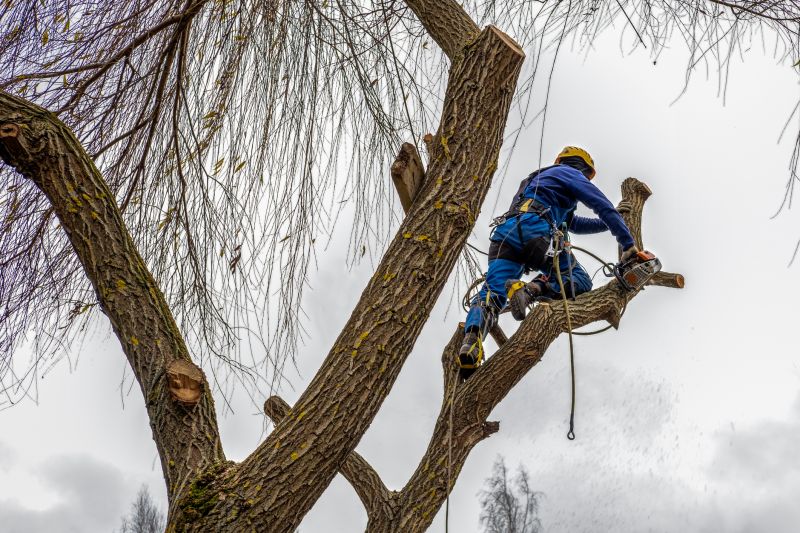
Clearly describe your tree shearing project first, then compare local contractors' experience and set expectations in writing.
- Assess the contractor’s experience with tree shearing to ensure familiarity with various tree types and sizes. - Verify that the scope of work is clearly defined and agreed upon in writing before the project begins.
- Check that the contractor has appropriate equipment and tools suited for safe and effective tree shearing. - Confirm that the service provider adheres to safety standards and uses proper techniques during the work.
- Ensure the contractor provides detailed explanations of the shearing process and expected outcomes. - Review references or past work examples to evaluate the quality of previous tree shearing projects.
- Compare multiple local contractors to understand different approaches and verify their experience level. - Make sure all project details, including scope and responsibilities, are documented in a written agreement.
- Discuss any specific concerns or preferences regarding the tree’s shape, health, or surrounding landscape with the contractor. - Clarify the contractor’s policy on cleanup and disposal of debris after the shearing is complete.
Compare local contractors’ experience and clarify project scope to ensure clear, aligned expectations.
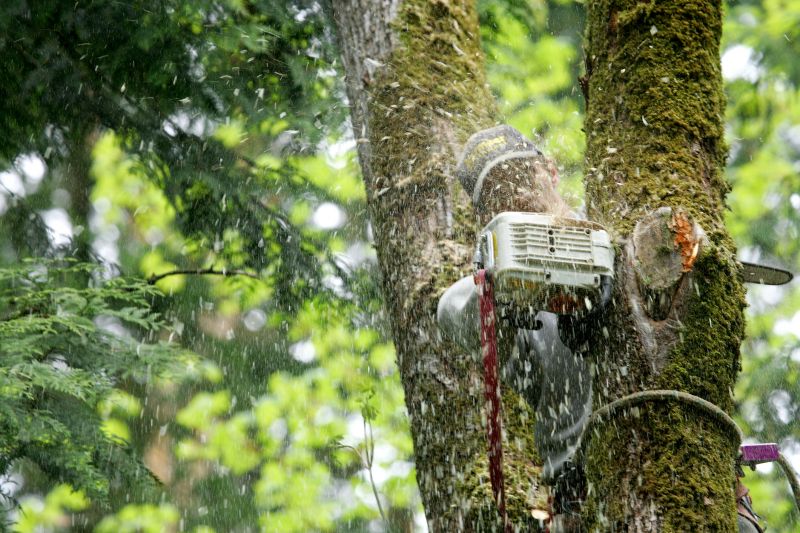
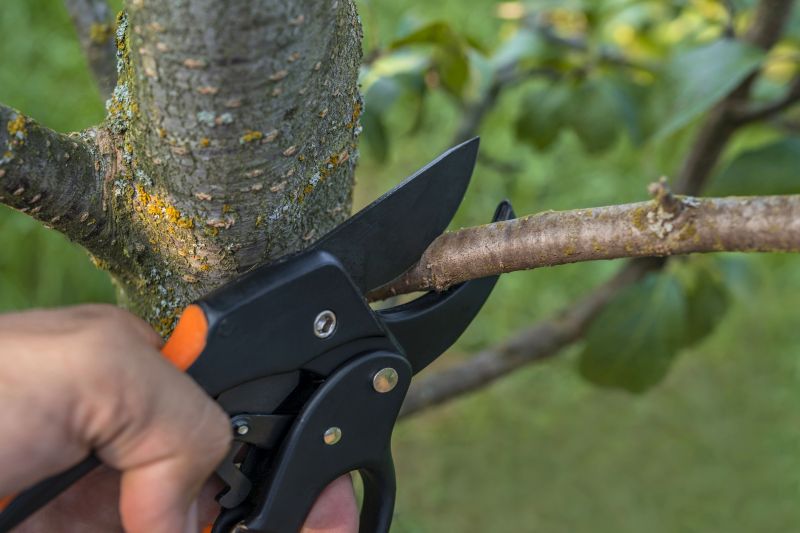
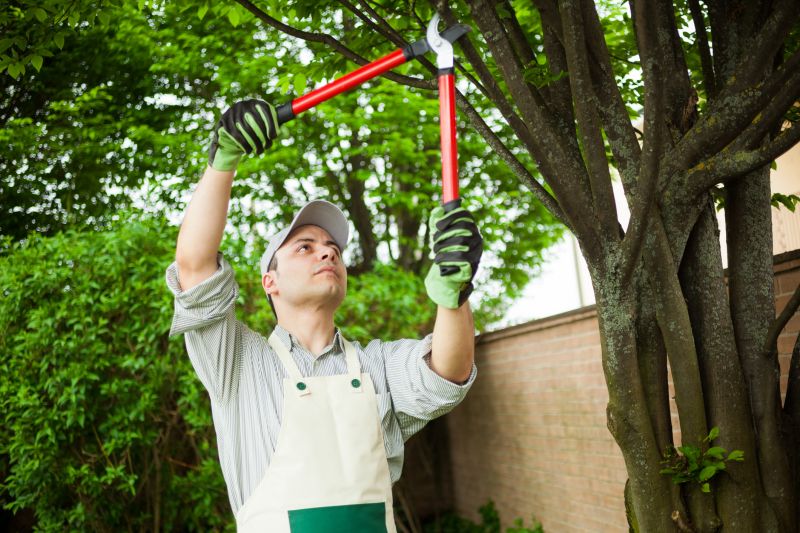
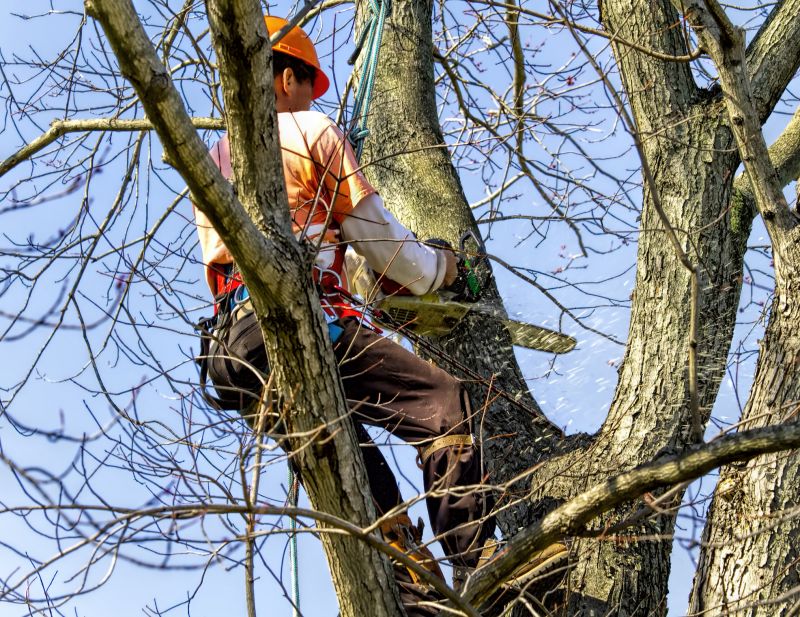
Learn how to compare local contractors for tree shearing by defining scope, verifying experience, and setting clear expectations.
- Scope Definition - Clearly outline the specific trees to be sheared, including size, type, and location.
- Work Details - Specify the desired outcome, such as shaping, thinning, or safety clearance, to guide the contractor.
- Experience Verification - Confirm that local contractors have relevant experience with tree shearing projects similar in scope.
- Written Agreement - Ensure all project details, expectations, and responsibilities are documented in a formal agreement.
- Comparison and Selection - Review multiple local service providers to evaluate their scope offerings and expertise before choosing.
When comparing contractors for tree shearing, it is important to evaluate their experience with similar projects. Service providers with a proven track record in handling tree shearing tasks comparable to the scope of the job can offer insights into their capabilities and familiarity with the specific challenges involved. Asking about past projects, types of trees worked on, and the complexity of previous jobs can help gauge whether a contractor has relevant experience that aligns with the current needs.
A clear, written scope of work is essential for setting expectations and ensuring all parties are aligned. When reviewing contractor proposals or estimates, look for detailed descriptions of the work to be performed, including the extent of shearing, the areas involved, and any specific techniques or tools that will be used. A comprehensive scope helps prevent misunderstandings and provides a basis for comparison between different service providers, making it easier to identify the most suitable option.
Verification basics are key to assessing the reliability of local contractors. Confirm that the service providers have proper insurance coverage, and request references or examples of completed projects. Checking references can provide insights into the quality of work, professionalism, and adherence to safety standards. Additionally, verifying that a contractor is properly insured and has a good reputation within the community can help reduce potential risks associated with the project.
When evaluating options, focus on how well the contractors’ experience, scope of work, and verification details align with the project requirements. Consider the clarity and thoroughness of their proposals, and look for consistency in their communication and documentation. Avoid making decisions based solely on perceptions or vague descriptions; instead, prioritize providers who offer transparent, detailed information and demonstrate a solid understanding of the specific tree shearing needs. This approach helps identify service providers capable of delivering quality work that meets expectations.
Ask contractors to provide written scope details to ensure clear expectations and consistent project understanding.
- Experience and Expertise - What specific experience do local contractors have with tree shearing projects similar to yours?
- Scope of Work - How do contractors define and outline the scope of tree shearing services in their proposals?
- Services Offered - What types of tree shearing techniques and equipment do local service providers typically use?
- Project Expectations - How do contractors clarify the expected results and limitations of the tree shearing work in writing?
- Comparison Criteria - What factors should be considered when comparing different local contractors’ approaches to tree shearing?
How can I compare different contractors for tree shearing services? To compare contractors, review their experience, reputation, and scope of work. Look for clear descriptions of services offered and verify their familiarity with your type of trees and property requirements.
What should I specify when defining the scope of a tree shearing project? Clearly outline the size, number, and types of trees to be sheared, as well as any specific shaping or pruning preferences. Detailing the desired outcome helps contractors understand expectations.
How can I verify a contractor’s experience with tree shearing? Ask for details about their previous projects and the types of trees they have handled. Checking references or reviews can also provide insights into their expertise and reliability.
Why is it important to put project details in writing? Having a written agreement ensures that scope, expectations, and responsibilities are clear, reducing misunderstandings and providing a record of what was agreed upon.
What questions should I ask a contractor before hiring for tree shearing? Inquire about their experience with similar trees, the methods they use, and how they plan to handle safety and property protection during the work.
How can I ensure the contractor understands my specific pruning and shaping preferences? Communicate your desired outcomes in detail and request the contractor to confirm their understanding in writing before work begins.
Contractors for tree shearing services vary in experience and scope, making it important to compare options carefully. By defining the specific work needed and setting clear expectations in writing, homeowners can better evaluate local contractors and choose the best fit for their project. Utilizing the quote form can help gather information to compare services and find the right professional for the job.
Taking the time to review and compare local service providers ensures that project details are clearly understood and documented. Using the quote form to gather information allows homeowners to connect with trusted contractors who can handle their tree shearing needs, making it easier to make informed decisions based on the options available in the area.