
Get Tree Canopy Thinning in Hackensack, NJ
Tree Canopy Thinning services for Hackensack, NJ, help improve tree health, reduce storm risk, and enhance property aesthetics through professional pruning and thinning projects.
Tree canopy thinning services are often considered by property owners in Hackensack, NJ to improve the overall health and structure of their trees. Removing excess branches can enhance airflow and sunlight penetration, which helps reduce the risk of disease and decay. Additionally, thinning can prevent branches from becoming overly heavy or tangled, minimizing the potential for storm-related damage and ensuring the safety of people and property nearby.
Beyond safety, canopy thinning can boost a property's curb appeal by creating a more balanced and aesthetically pleasing landscape. It also contributes to increased functionality by allowing better visibility and access to outdoor spaces. Many property owners seek these services to reduce ongoing maintenance needs and to promote the durability of their trees, helping them remain strong and healthy over time.
- Tree Canopy Thinning Services - needed when overgrown branches threaten structures or obstruct views in urban and suburban areas.
- Tree Canopy Thinning Services - recommended for improving sunlight penetration and airflow in residential or commercial landscapes.
- Tree Canopy Thinning Services - useful when managing tree health and reducing wind resistance during storms in city neighborhoods.
- Tree Canopy Thinning Services - appropriate for maintaining safety and aesthetics in parks and public green spaces near Hackensack, NJ.
- Tree Canopy Thinning Services - advised when reducing the risk of falling branches in areas with high foot or vehicle traffic.
Tree canopy thinning services involve selectively reducing the density of branches and foliage in mature trees to improve their health and safety. This process typically includes removing overgrown or crowded branches to promote better airflow, sunlight penetration, and overall vigor of the tree. By carefully trimming the canopy, property owners can help prevent issues such as branch breakage, pest infestations, or disease spread, which often arise from overly dense foliage. The goal is to maintain the natural shape of the tree while ensuring it remains structurally sound and visually appealing.
These services are often sought after to address specific problems associated with thick or unmanaged canopies. Overgrown trees can pose safety hazards by increasing the risk of falling branches or limbs, especially during storms or high winds. Excessive foliage can also obstruct views, block sunlight, or interfere with nearby structures and power lines. Additionally, dense canopies can create conditions favorable for pests or fungal diseases, which can further compromise the health of the tree. Thinning helps mitigate these issues by reducing stress on the tree and minimizing potential hazards.
Properties that typically utilize tree canopy thinning include residential homes, commercial properties, parks, and public spaces. In residential areas, thinning can enhance safety and improve the aesthetic appeal of yards and gardens. Commercial properties often use canopy thinning to maintain clear sightlines, prevent damage to buildings or signage, and ensure safety for visitors and employees. Public parks and community spaces benefit from thinning to promote healthy tree growth, reduce maintenance costs, and enhance the overall landscape appearance. These services are suitable for any property where mature trees require management to balance safety, health, and visual appeal.
Professional tree care providers offering canopy thinning services assess each tree individually to determine the appropriate amount of foliage removal. They utilize specialized techniques to ensure the process supports the tree’s natural growth and structural stability. By working with experienced contractors, property owners can achieve a balanced and healthy canopy that complements the landscape while addressing safety concerns. Contacting local tree care specialists can help property owners find the right solutions for maintaining their trees effectively and safely.
The overview below groups typical Tree Canopy Thinning projects into broad ranges so you can see how smaller, mid-sized, and larger jobs often compare in Hackensack, NJ.
In many markets, a large share of routine jobs stays in the lower and middle ranges, while only a smaller percentage of projects moves into the highest bands when the work is more complex or site conditions are harder than average.
Basic Thinning - The cost for light tree canopy thinning typically ranges from $200 to $500 per tree, depending on size and location. Smaller trees generally cost less, while larger or more complex projects may be higher.
Moderate Thinning - For more extensive canopy reduction, prices usually fall between $500 and $1,200 per tree. Factors influencing cost include tree height, density, and accessibility.
Heavy Thinning - Significant canopy reduction services can cost from $1,200 to $2,500 or more per tree. This level of work often involves advanced equipment and careful planning.
Multiple Tree Projects - When thinning multiple trees, service providers may offer volume discounts, with total costs varying widely based on the number and size of trees involved. Contact local pros for tailored estimates.
Actual totals will depend on details like access to the work area, the scope of the project, and the materials selected, so use these as general starting points rather than exact figures.
Tree Canopy Thinning Services - These services involve selectively reducing the density of tree canopies to improve air circulation and sunlight penetration. Local professionals can assess and execute thinning to promote healthier tree growth.
Urban Tree Thinning - Urban areas like Hackensack benefit from canopy thinning to prevent overgrowth and reduce the risk of storm damage. Experienced service providers can tailor thinning strategies to urban environments.
Risk Tree Management - Thinning is used as part of risk management to remove hazardous branches and reduce the potential for storm-related damage. Local arborists can identify and address vulnerable canopy sections.
Forest and Park Canopy Thinning - For larger green spaces, thinning helps maintain ecological balance and forest health. Service providers can implement thinning plans suited to park and forest settings.
Shade and Sunlight Optimization - Thinning can enhance sunlight exposure for lawns and gardens beneath the canopy. Local pros can determine the appropriate thinning levels to improve landscape conditions.
Tree Health Improvement - Proper canopy thinning can reduce stress on trees and improve overall vitality. Experienced contractors can perform thinning to support long-term tree health and stability.
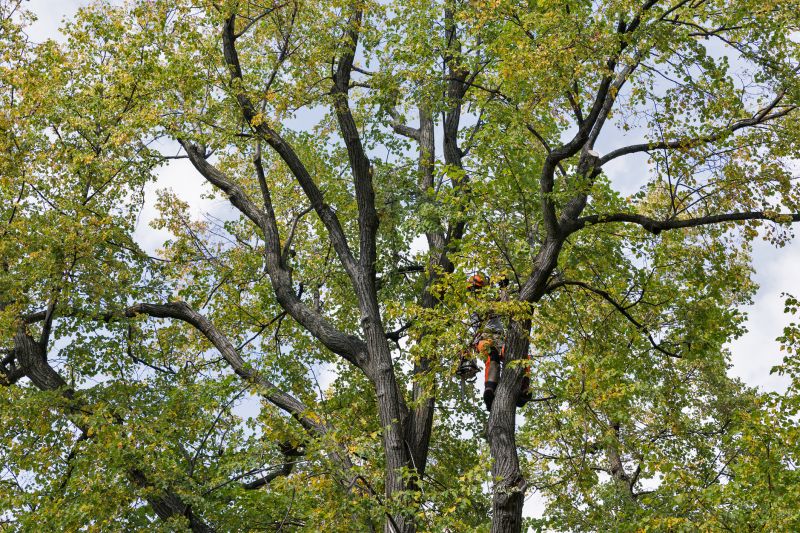
When selecting a professional for Tree Canopy Thinning services, it is important to consider their experience with similar projects. Homeowners should inquire about how long the contractor has been providing tree canopy management and whether they have handled properties comparable to their own. A reputable provider will be able to share details about their background and demonstrate familiarity with local tree species and environmental conditions, ensuring the work is performed appropriately and effectively.
Clear communication and written expectations are essential when working with a tree canopy thinning specialist. Homeowners are encouraged to discuss the scope of work, including which branches or sections will be thinned, and to request detailed documentation or written plans before work begins. Transparent communication helps prevent misunderstandings and ensures that both parties have aligned expectations regarding the process and outcomes.
Reputable references and reviews can serve as valuable indicators of a contractor’s reliability and quality of service. Homeowners should seek out local providers with positive feedback from previous clients, especially those within the same community or neighborhood. Additionally, verifying references or reading reviews can provide insights into the contractor’s professionalism, responsiveness, and overall satisfaction from past projects, aiding in making an informed decision when selecting a tree canopy thinning service provider.
Property owners in Hackensack, NJ use Tree Canopy Thinning services for practical projects around their homes and businesses. The sections below highlight everyday jobs and straightforward project options.
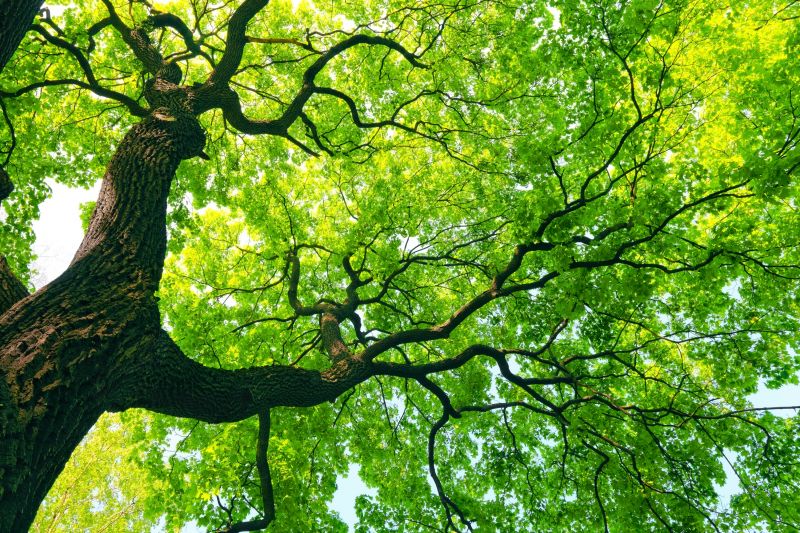
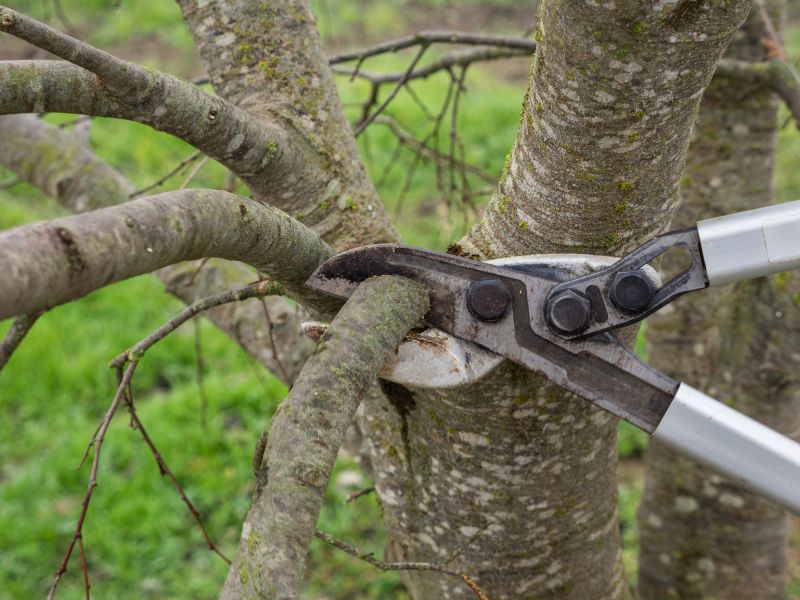
Tree canopy thinning services are often sought by property owners in Hackensack, NJ when overgrown or densely packed trees begin to interfere with structures, power lines, or nearby landscaping. Removing or reducing excess branches can help improve the overall health of the trees, prevent potential damage from storm-related winds, and reduce the risk of falling limbs that could pose safety hazards. Additionally, thinning can enhance sunlight penetration and air circulation, supporting healthier lawns and gardens beneath the trees.
Homeowners may also consider canopy thinning to address aesthetic concerns or to comply with local regulations related to tree management. In some cases, trees that have become too large or unruly may need professional attention to maintain a balanced appearance and prevent overgrowth that could obstruct views or impair neighboring properties. Local service providers can assist with the appropriate thinning techniques to meet individual property needs and ensure the trees remain healthy and safe.
What is tree canopy thinning? Tree canopy thinning involves selectively removing branches to reduce the density of a tree's foliage, improving air circulation and light penetration.
Why consider tree canopy thinning? Thinning can help maintain the health of mature trees, prevent damage from wind, and reduce the risk of falling branches.
When is the best time for canopy thinning? The optimal time for thinning is typically during the late winter or early spring before new growth begins.
How do local pros perform canopy thinning? Professionals assess the tree's structure and selectively prune branches to achieve desired thinning while preserving the tree's overall health.
Is tree canopy thinning safe for trees? When performed by experienced service providers, thinning is generally safe and can promote the long-term vitality of the tree.
Tree Canopy Thinning Benefits - Thinning tree canopies can improve sunlight penetration and air circulation, promoting healthier growth.
Professional Thinning Services - Local arborists and tree care providers offer canopy thinning to help manage tree health and safety.
Signs You Need Canopy Thinning - Overgrown or densely packed branches may indicate the need for canopy thinning to prevent damage.
Choosing the Right Service Provider - Contact experienced local professionals to assess your trees and recommend appropriate canopy thinning solutions.
Considering Tree Canopy Thinning for a property in Hackensack, NJ? The sections above highlight common project types, practical options, and details that often shape the scope of work.
When you are ready, use the quote form to share a few details about your project. Local pros can review the basics and respond with options that match what you have in mind.